Podcast Time = Eastern Time

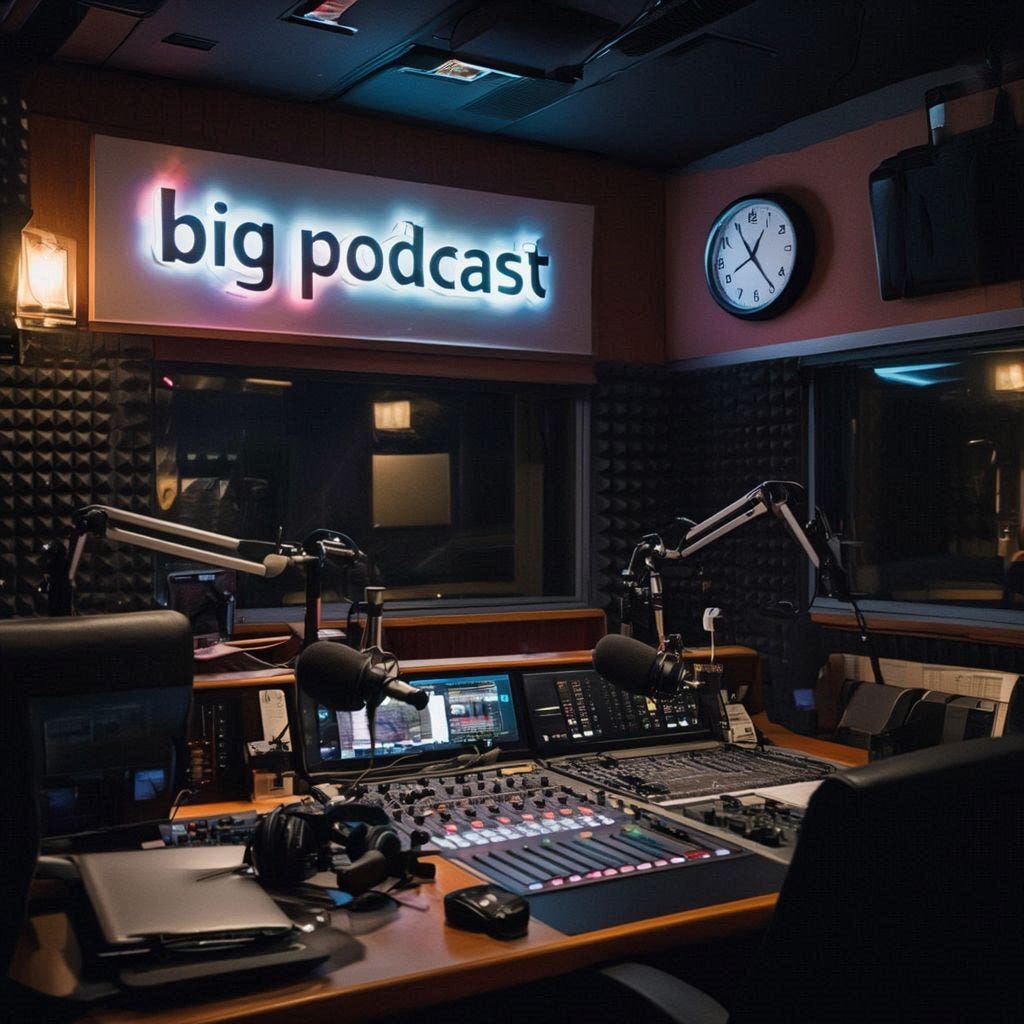
When you walk into a SiriusXM studio, whether it’s in New York, Nashville, or Los Angeles, the clocks on the wall show Eastern Time.
It doesn’t matter that Nashville is in the Central time zone or Los Angeles is in the Pacific.
A nationwide network needs a single reference point so everyone moves in sync. When a show starts at 7AM, there’s no debate about what “7AM” means.
One clock keeps an operation tight, predictable, and calm … even when people involved are spread across the country.
That same thinking applies any time you’re working with people in multiple time zones.
The goal isn’t to ignore where people are—it’s removing friction. No more emails that start with “just to confirm the time.”
You can trust adults to do the math. Converting time zones is not the hard part of collaboration.
Confusion is.
A unified clock reduces confusion and respects your production. Once everyone agrees on the reference, the rest takes care of itself.
Why Eastern Time Dominates Network Production and Broadcasting
New York is the historic center of United States broadcasting
Advertisers and agencies operate on Eastern Time
Stock markets, ratings windows, and press cycles align to Eastern Time
It simplifies coordination for coast-to-coast distribution
Whether you’re running a national broadcast, a podcast network, or a remote session, pick one clock and commit to it. Eastern Time works because the industry already moves to it. The shared reference keeps everyone aligned, reduces back‑and‑forth, and lets people focus on the work instead of the calendar.
NOTE: Watch for automated calendars that change time zones on you. If you set something up in Central, for example, it’s probably going to put you in Central by default.